
Seeds
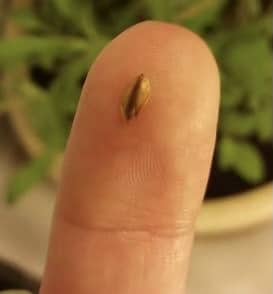
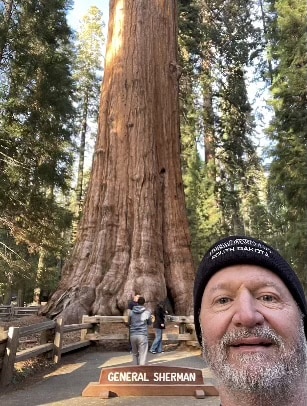
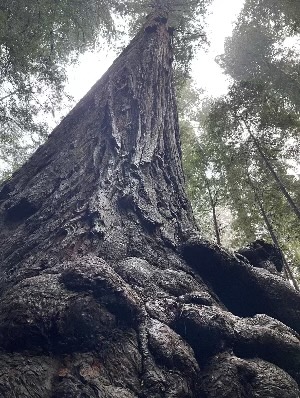
Seeds are magical. How can a mighty Seqouia come from something that I can balance on my fingertip? Within the seed lies a library of instructions carrying the secrets for form, function, and survival – the distilled wisdom of eons.
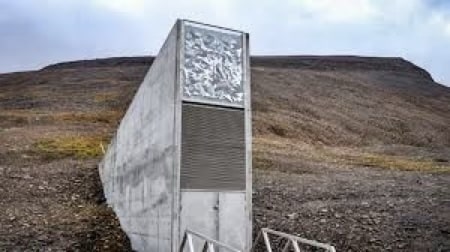
That’s why we’ve gone to such lengths to protect them. The world’s leading seed banks are vaults of life, safeguarding the genetic diversity of Earth’s plants. The Svalbard Global Seed Vault in Norway—often called the “Doomsday Vault”—stores over 1.2 million seed samples from nearly every country, buried deep in Arctic permafrost. The Millennium Seed Bank at Kew Gardens in the UK holds about 2.4 billion seeds, representing one-sixth of the world’s plant species, stored in airtight glass containers at –20°C. The National Center for Genetic Resources Preservation in Colorado freezes not just seeds but pollen and plant embryos, protecting crops vital to food security. These seed banks form a global network—a frozen ark of biodiversity that took millions of years to build – held in trust for the future. I hope we never have to use them.
The story of seeds is still being written.
With the rise of synthetic biology and programmable genetics, we are developing “smart seeds”—seeds that can sense drought and adjust, detect pests and respond, and repair damaged soils.
Some are designing seeds for places where life has never taken hold—plants engineered to survive radiation, cold, and barren soil, carrying within them the possibility of greening a lifeless world.
The seed remains what it has always been: a miracle of compression. Vast possibility folded into fragile form. Ancient wisdom and future promise resting quietly in the dark…waiting.
Thank you God for seeds.
Toodling and Noodling,
Stan
0 Comments