
binoculars

These experiences were much richer because we had those binoculars. I love them so much our running joke is how often I take off with “her” binoculars! This wonderful little device greatly extends my vision to more fully enjoy God’s creation.
Like those binoculars, many major advances in our knowledge about God’s creation have been triggered by some new innovation or technology that extends our “vision” or other senses beyond their natural power. Consider…



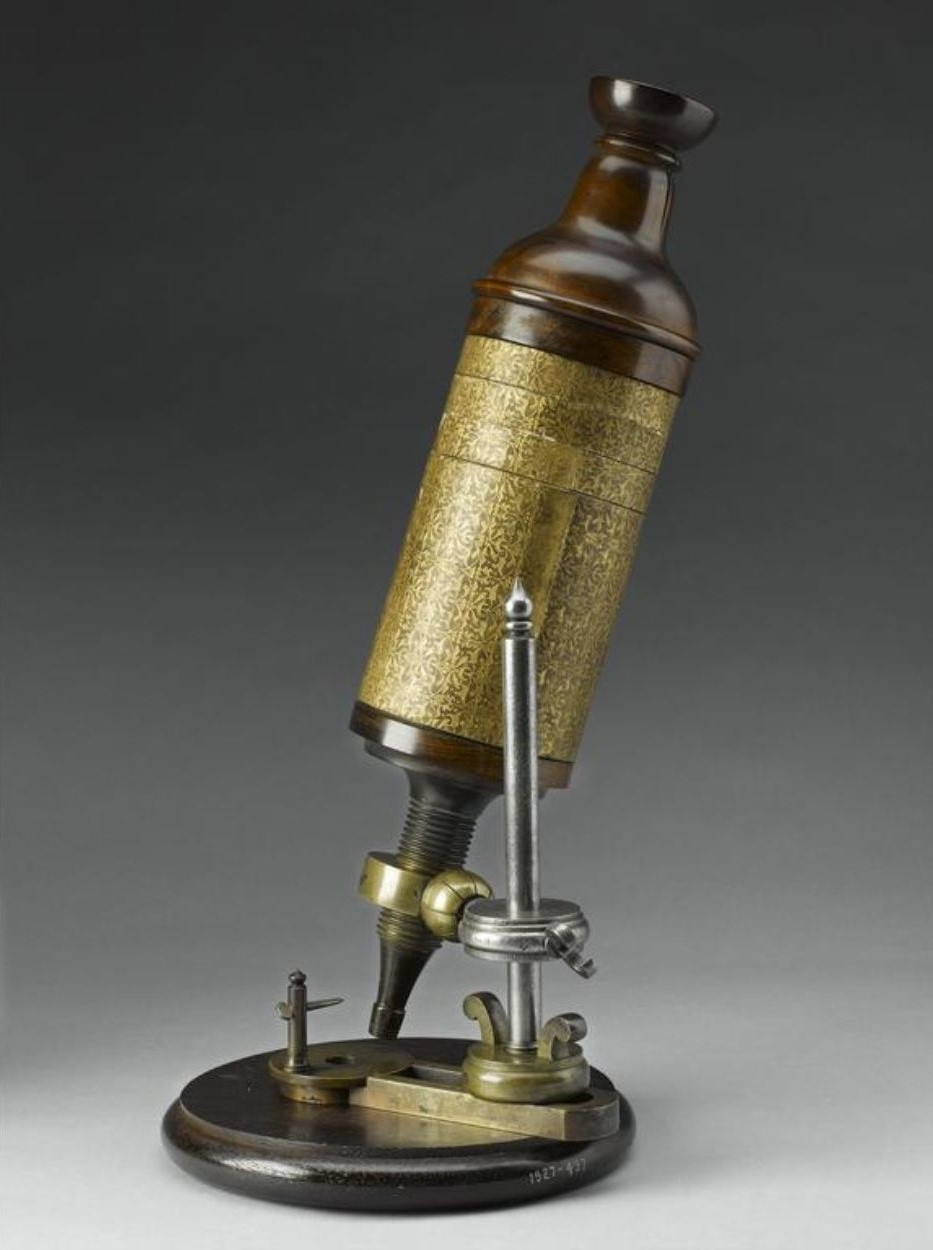
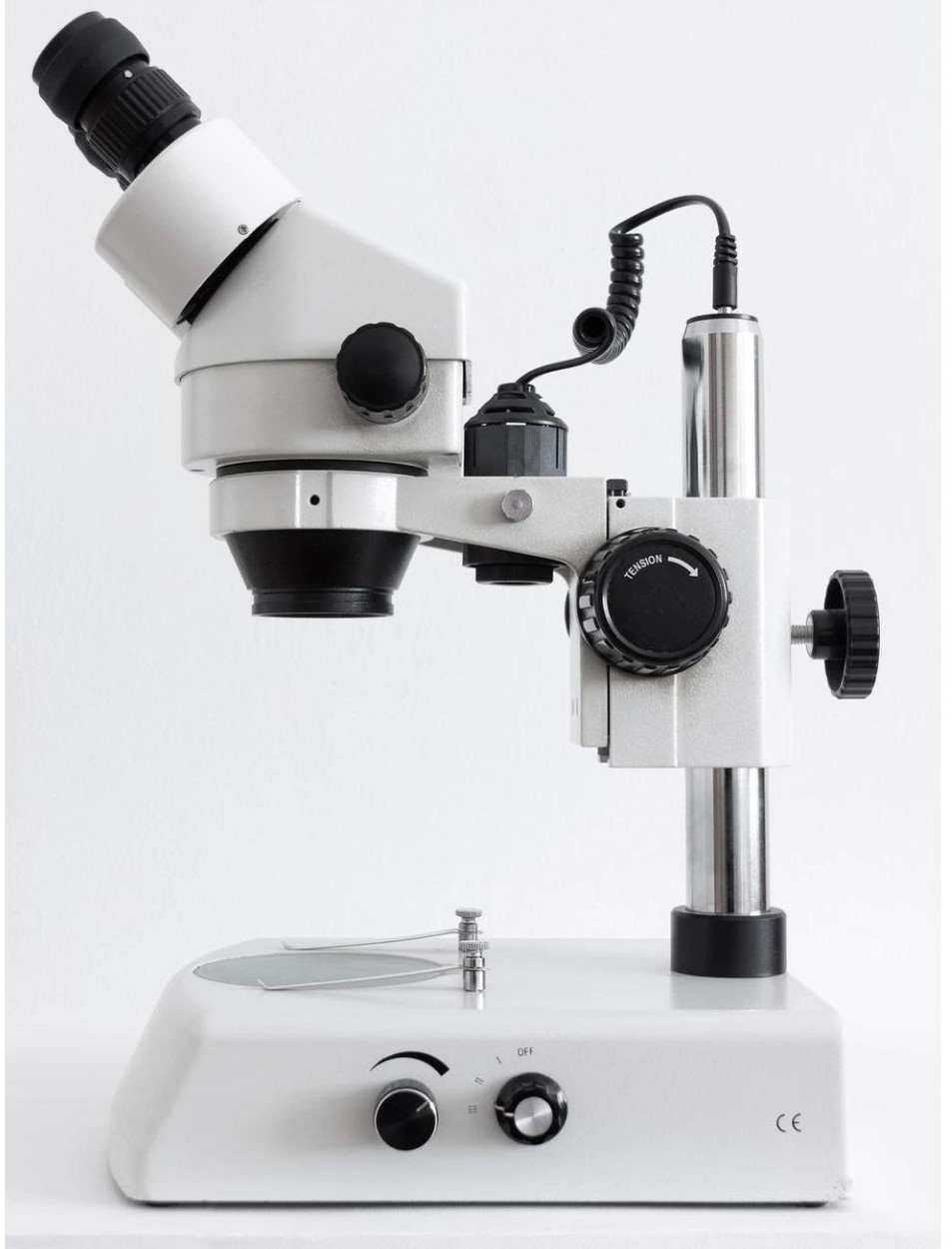
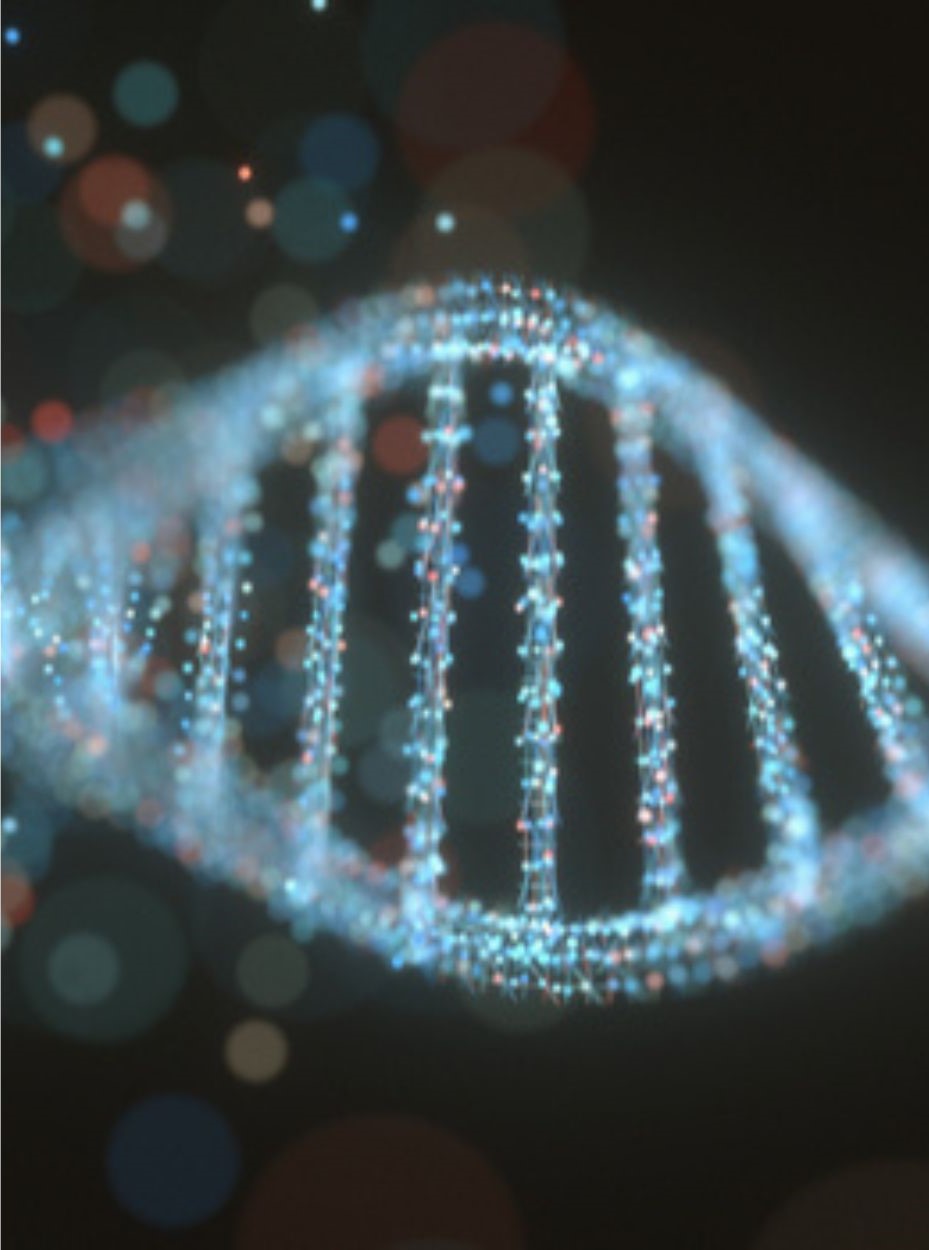
The Microscope – Developed around 1600, the microscope has greatly extended our vision into the very small. This led to the first glimpses of cells, bacteria, yeast, and a host of microscopic creatures. A whole new world! This journey into the microscopic world ultimately led to the discovery of genes and the mapping of the entire human genome. This incredible feat was accomplished by a team led by Dr. Francis Collins, a committed Christ-follower, in 2003. He later wrote the best-selling book The Language of God about the project. Aided by the microscope, genetics is reshaping our world and future in profound ways. Much more on this in future notes.
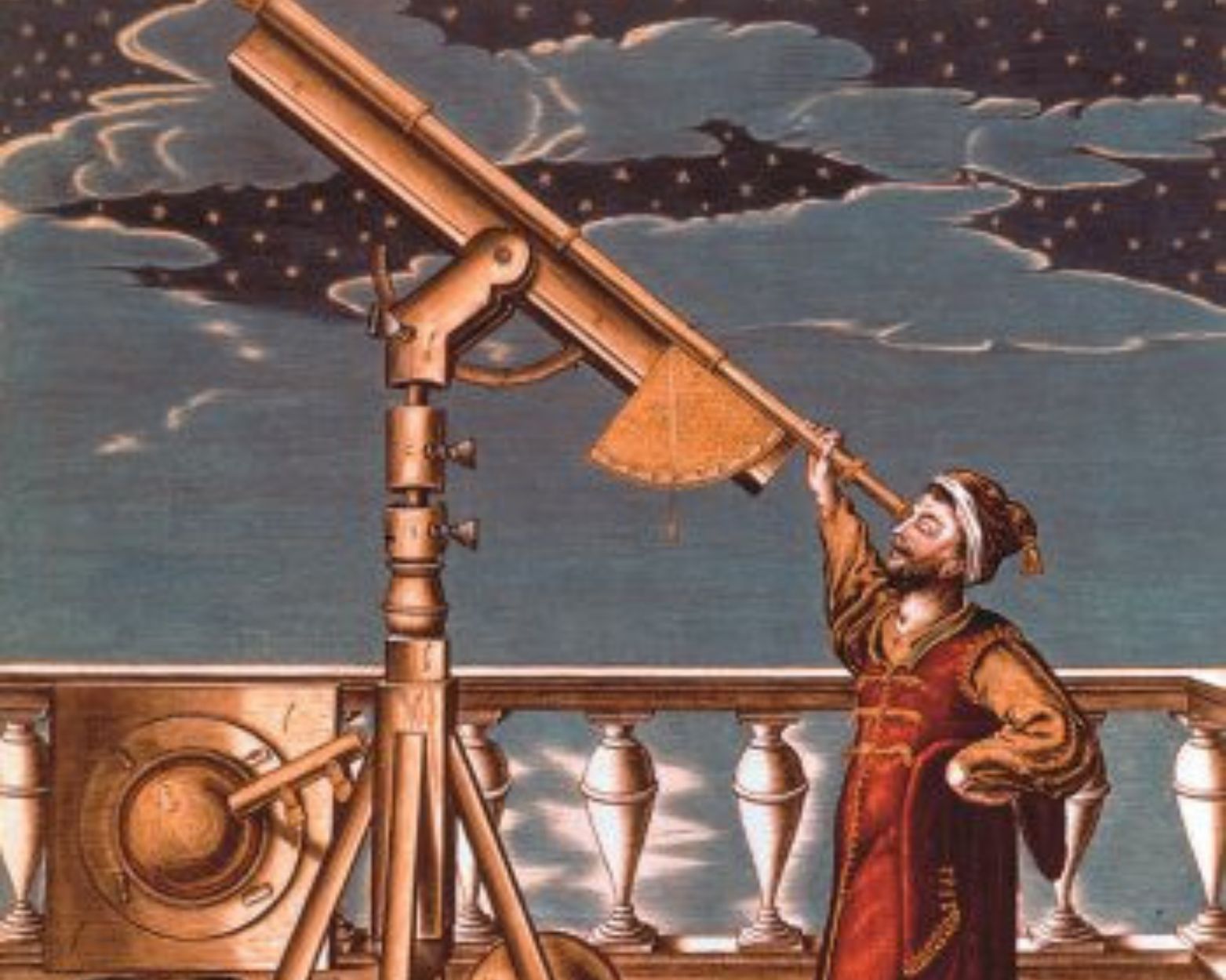
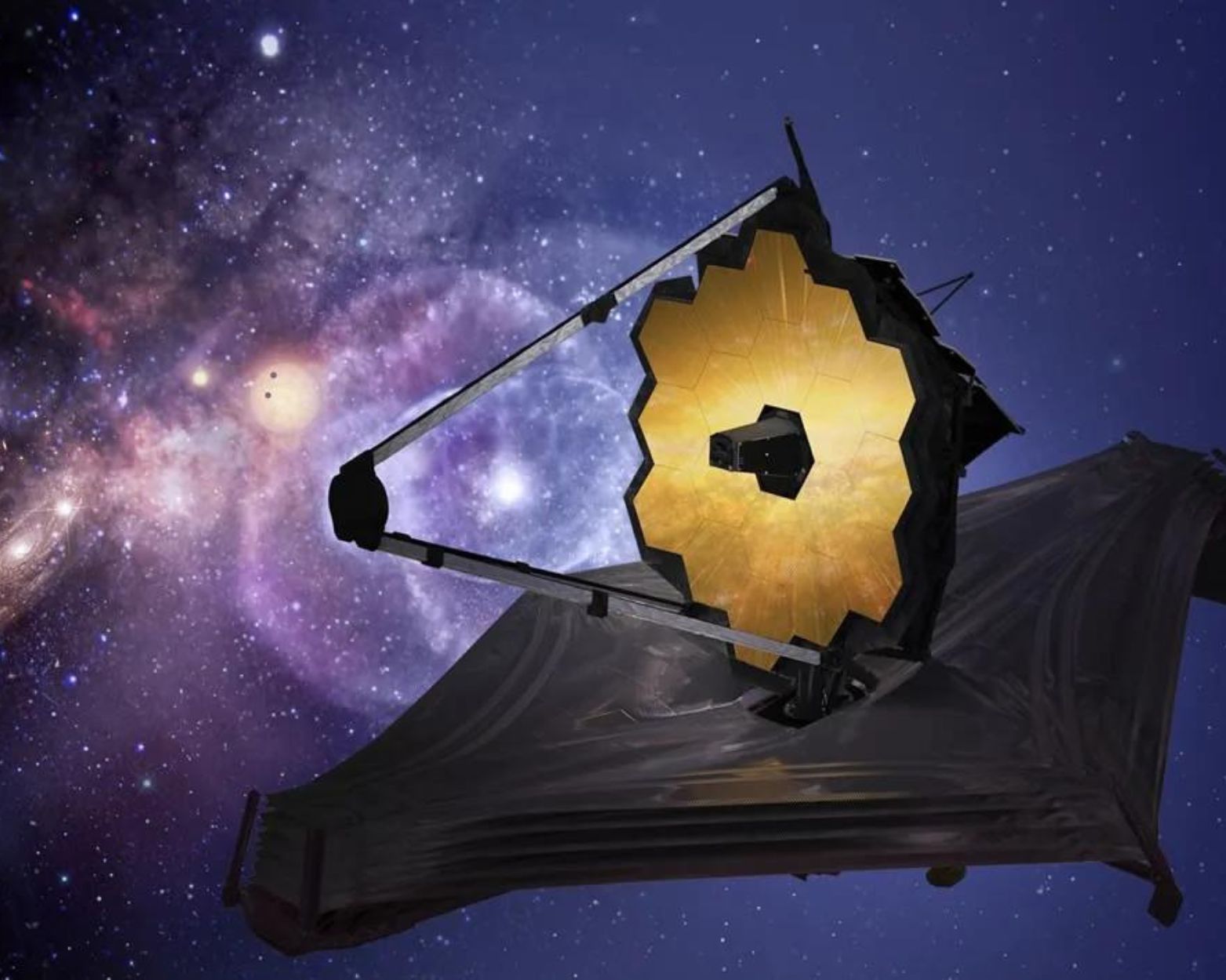
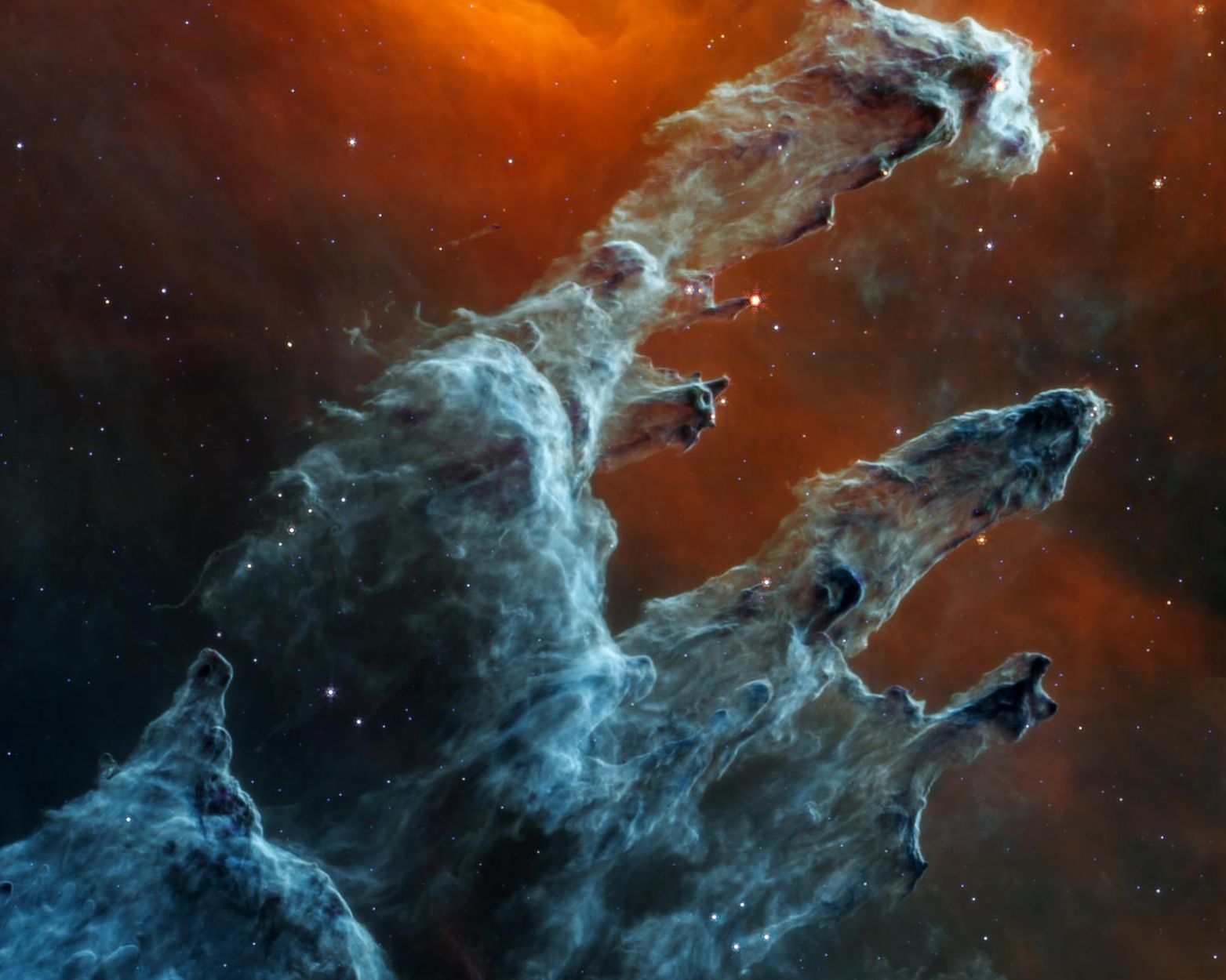
The Telescope has likewise extended the range of our vision into the cosmos. We have learned that the universe is incredibly vast and the earth is more like a sphere than a pancake and orbits around the Sun. Our newest telescopes are able to see distant galaxies that are giving new clues about the deep past of our universe. The recent deployment of the James Webb Space Telescope has extended our vision even further—with some beautiful pictures— forcing us to reconsider some elements of our current cosmology.
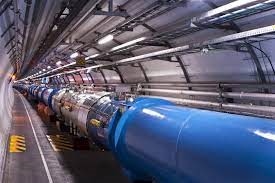
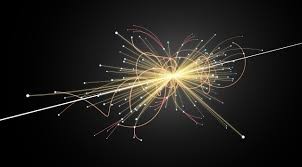
The Particle Accelerator – These amazing (and expensive) machines again extended our vision into the tiny! Particle accelerators are a young boy’s dream, smashing particles together with great energy and seeing how they break. Particle accelerators helped open the exceedingly weird subatomic world of quantum with mind-blowing new realities like superposition, probability waves, and entanglement. These phenomena now have strong experimental validation but remain mysterious – and we are still grappling with the implications of quantum on our understanding of reality. More later.
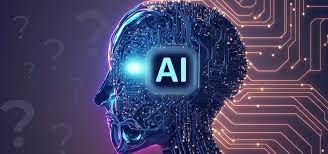
Artificial Intelligence may be seen as another extension of our “senses”—namely our mind—to recognize patterns and harness knowledge to a much higher level. We are just beginning to understand the ways in which AI will change our lives.
These innovations are amoral in a sense—it’s up to humans to decide how to use them. But God has clearly made the universe receptive to exploration and seems to reward our exploration with additional revelation. Maybe these ongoing discoveries are an integral part of God shaping us more and more into His image.
You have taken off the old self . . . and have put on the new self . . . which is being renewed in knowledge in the image of its Creator. – Col 3:9
What are the latest and most powerful “binoculars” showing us about God’s creation? What are the implications for our understanding of God?
These are things I like to think about on the trail…
Toodling and Noodling,
Stan
If you would like to receive future notes directly just sign up below

FUN FACT:
Dallas/Fort Worth almost became the world capital for particle accelerators and physics research. The construction of the Superconducting Super Collider was underway in 1993 in Waxahachie, Texas (just south of Dallas), when Congress pulled the project’s funding. Fourteen miles of what was to be a fifty-mile underground ring had been completed. DFW would be a lot smarter with all the PhD’s! The Large Hadron Collider was ultimately built outside Geneva, Switzerland, and was instrumental in the discovery of the Higgs boson (the “god” particle) in 2012.
We were able to visit in 2023. Super cool!
1 Comment
Leave a Reply to Pete Dowdall Cancel reply
binoculars
These experiences were much richer because we had those binoculars. I love them so much our running joke is how often I take off with “her” binoculars! This wonderful little device greatly extends my vision to more fully enjoy God’s creation.
Like those binoculars, many major advances in our knowledge about God’s creation have been triggered by some new innovation or technology that extends our “vision” or other senses beyond their natural power. Consider…
The Microscope – Developed around 1600, the microscope has greatly extended our vision into the very small. This led to the first glimpses of cells, bacteria, yeast, and a host of microscopic creatures. A whole new world! This journey into the microscopic world ultimately led to the discovery of genes and the mapping of the entire human genome. This incredible feat was accomplished by a team led by Dr. Francis Collins, a committed Christ-follower, in 2003. He later wrote the best-selling book The Language of God about the project. Aided by the microscope, genetics is reshaping our world and future in profound ways. Much more on this in future notes.
The Telescope has likewise extended the range of our vision into the cosmos. We have learned that the universe is incredibly vast and the earth is more like a sphere than a pancake and orbits around the Sun. Our newest telescopes are able to see distant galaxies that are giving new clues about the deep past of our universe. The recent deployment of the James Webb Space Telescope has extended our vision even further—with some beautiful pictures— forcing us to reconsider some elements of our current cosmology.
The Particle Accelerator – These amazing (and expensive) machines again extended our vision into the tiny! Particle accelerators are a young boy’s dream, smashing particles together with great energy and seeing how they break. Particle accelerators helped open the exceedingly weird subatomic world of quantum with mind-blowing new realities like superposition, probability waves, and entanglement. These phenomena now have strong experimental validation but remain mysterious – and we are still grappling with the implications of quantum on our understanding of reality. More later.
Artificial Intelligence may be seen as another extension of our “senses”—namely our mind—to recognize patterns and harness knowledge to a much higher level. We are just beginning to understand the ways in which AI will change our lives.
These innovations are amoral in a sense—it’s up to humans to decide how to use them. But God has clearly made the universe receptive to exploration and seems to reward our exploration with additional revelation. Maybe these ongoing discoveries are an integral part of God shaping us more and more into His image.
You have taken off the old self . . . and have put on the new self . . . which is being renewed in knowledge in the image of its Creator. – Col 3:9
What are the latest and most powerful “binoculars” showing us about God’s creation? What are the implications for our understanding of God?
These are things I like to think about on the trail…
Toodling and Noodling,
Stan
If you would like to receive future notes directly just sign up below
FUN FACT:
1 Comment
-
Pete Dowdall on June 27, 2024 at 4:33 pm
Thanks Stan and Vickie!

Thanks Stan and Vickie!